Our Services
An informational look at the dredging, sediment and waterway topics our team most often helps clients think through.
This page is intended as an educational overview of the categories of work involved in pond, lake and waterway dredging and restoration. Because every site has its own hydrology, sediment composition, access constraints and regulatory context, the descriptions below are general in nature. They are not a quote, proposal or offer of specific services, and no pricing or purchase commitment is implied anywhere on this page. If you would like to discuss a particular site, the best next step is to contact our team directly.
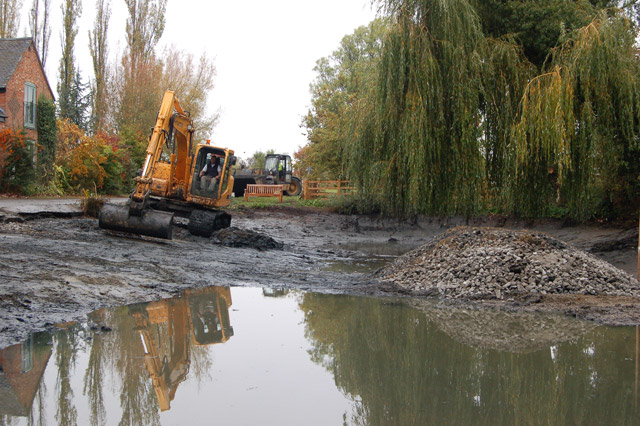
Pond & Lake Dredging
Over time, ponds and small lakes accumulate organic material, eroded soil and windblown debris on their beds. As that material builds up, usable water depth decreases, water can warm more quickly, and oxygen levels near the bottom may drop, all of which can affect aquatic life and the overall appearance and function of the water body. Understanding pond and lake dredging starts with a depth survey compared against historical or design depths, followed by sediment probing to estimate volume and composition.
From there, the conversation usually turns to method: whether a site is a better fit for mechanical excavation (often after partial drawdown), hydraulic dredging using a pump and pipeline, or a hybrid approach depending on access, sediment consistency and where removed material can reasonably be placed or dewatered on site.
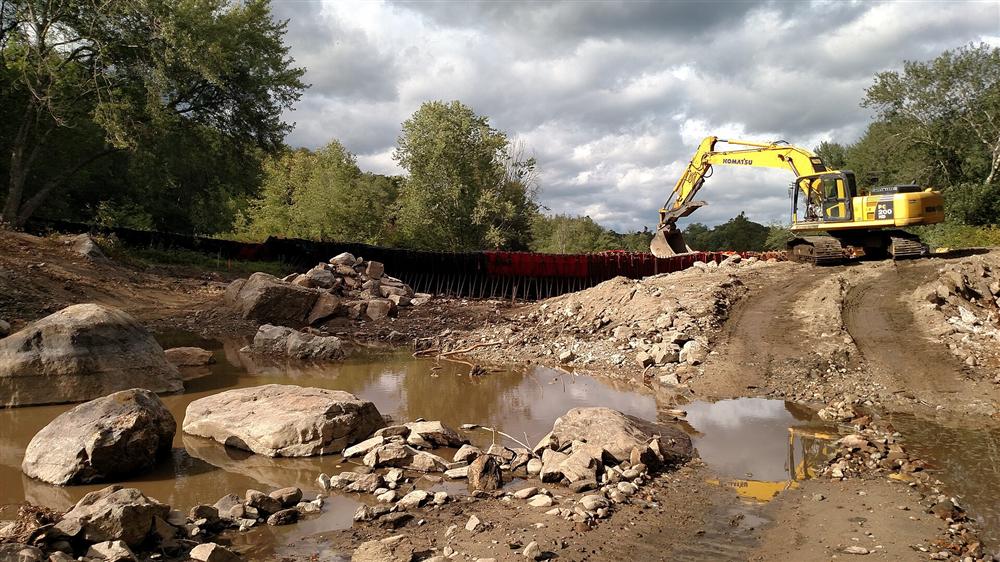
Sediment & Silt Removal
Silt and fine sediment removal is closely related to pond and lake dredging but often applies to a broader range of settings, including stormwater basins, drainage channels, culvert inlets and small stream reaches where fine material has settled and reduced flow capacity. The right removal method depends heavily on how consolidated the sediment is, how much water is present, and how close the work area is to structures, roads or utilities.
In many cases, sediment characterization — understanding grain size, moisture content and whether any contamination is present — is an important early step, since it affects both the removal method and how material can be legally handled, transported and placed once removed from the water body.
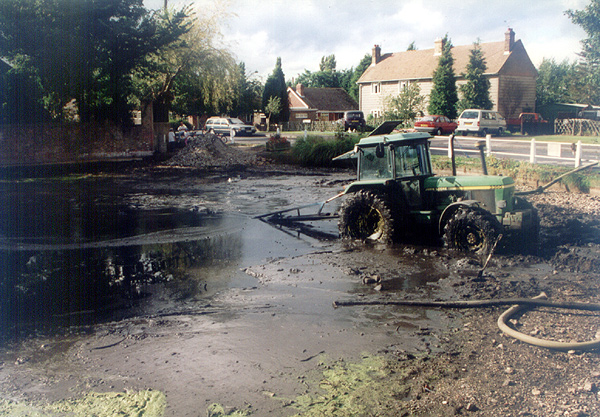
Aquatic Vegetation & Muck Management
Nutrient-rich runoff and decaying organic matter can lead to excessive aquatic plant growth and the buildup of soft, low-density "muck" layers on a pond bottom. While some aquatic vegetation is a healthy part of a pond ecosystem, unmanaged growth combined with thick organic muck can accelerate sedimentation, reduce oxygen levels and create conditions that are difficult to reverse without mechanical intervention.
We help clients think through how vegetation management, muck removal and longer-term nutrient control measures might work together, recognizing that dredging alone rarely solves an underlying nutrient loading problem — it addresses the accumulated symptom, while watershed-level changes often address the cause.
Erosion Control & Bank Stabilization
Streambanks and pond shorelines that have lost vegetative cover or structural stability tend to erode faster, contributing additional sediment downstream and sometimes threatening nearby infrastructure. Bank stabilization work can range from simple regrading and revegetation to structural approaches such as rock riprap, coir logs or engineered log structures, depending on flow velocity, bank height and the surrounding land use.
Because eroding banks are often both a symptom of upstream sediment problems and a contributor to downstream sedimentation, we generally encourage looking at bank condition alongside any dredging plan rather than treating them as separate, unrelated issues.
Environmental Site Assessment & Permitting Support
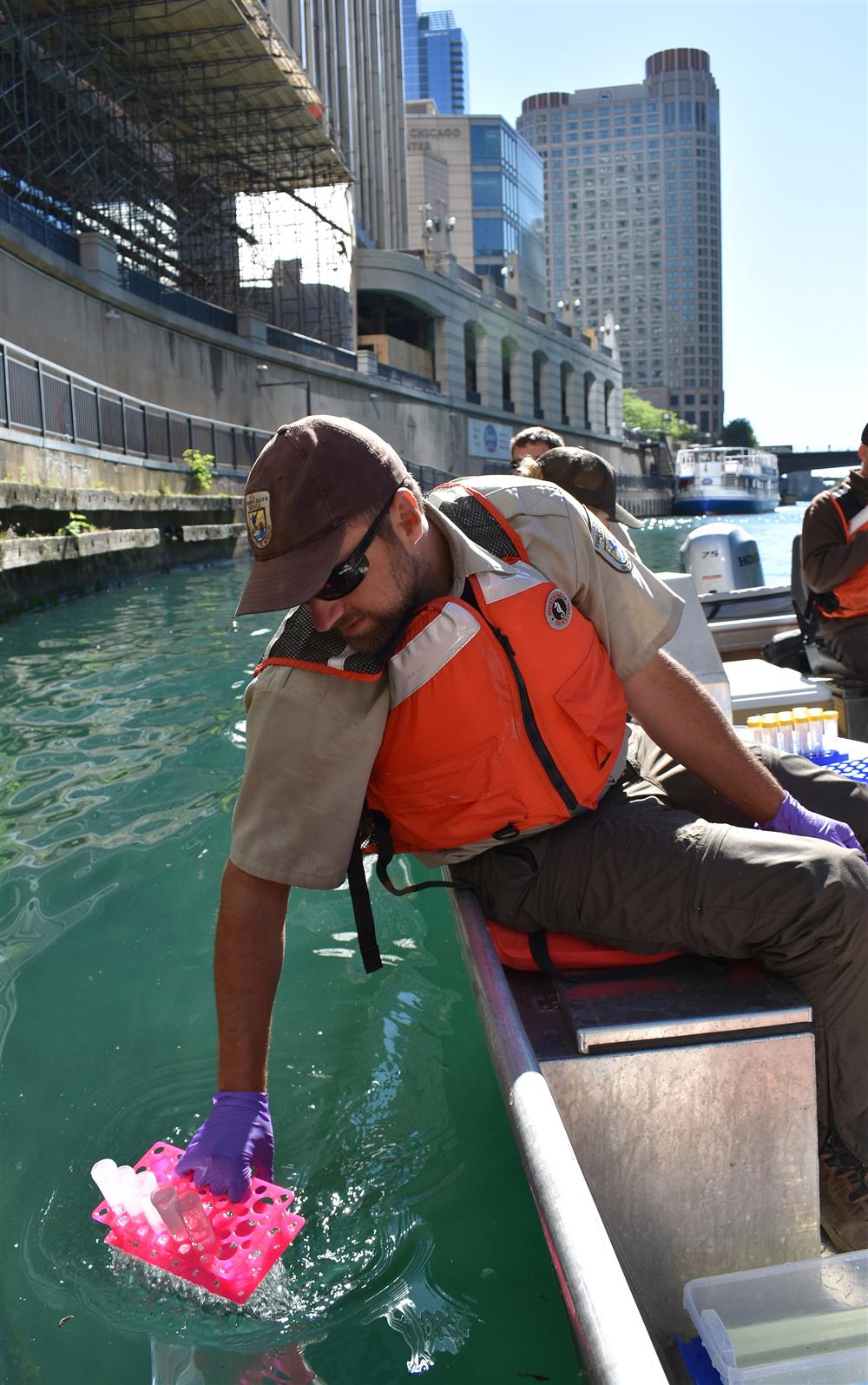
Depending on location, size and the presence of wetlands or sensitive habitat, dredging and sediment removal projects may require coordination with local, state or federal permitting processes. Water sampling, sediment testing and habitat surveys are often part of building an accurate picture of a site before any permit application or work plan is prepared.
We help clients understand what kind of environmental information a regulator is likely to want to see, and how to organize site data — depth surveys, sediment characterization, photographs and historical context — into a clear record that supports an informed permitting conversation with the appropriate agency or consultant.
Equipment & Methodology Overview
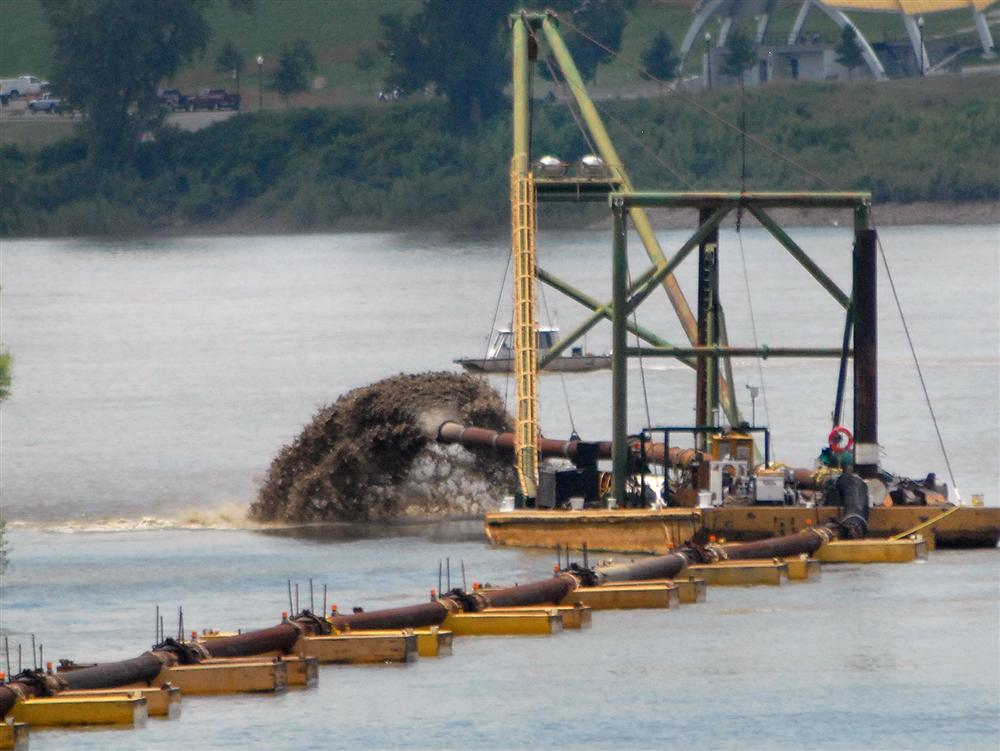
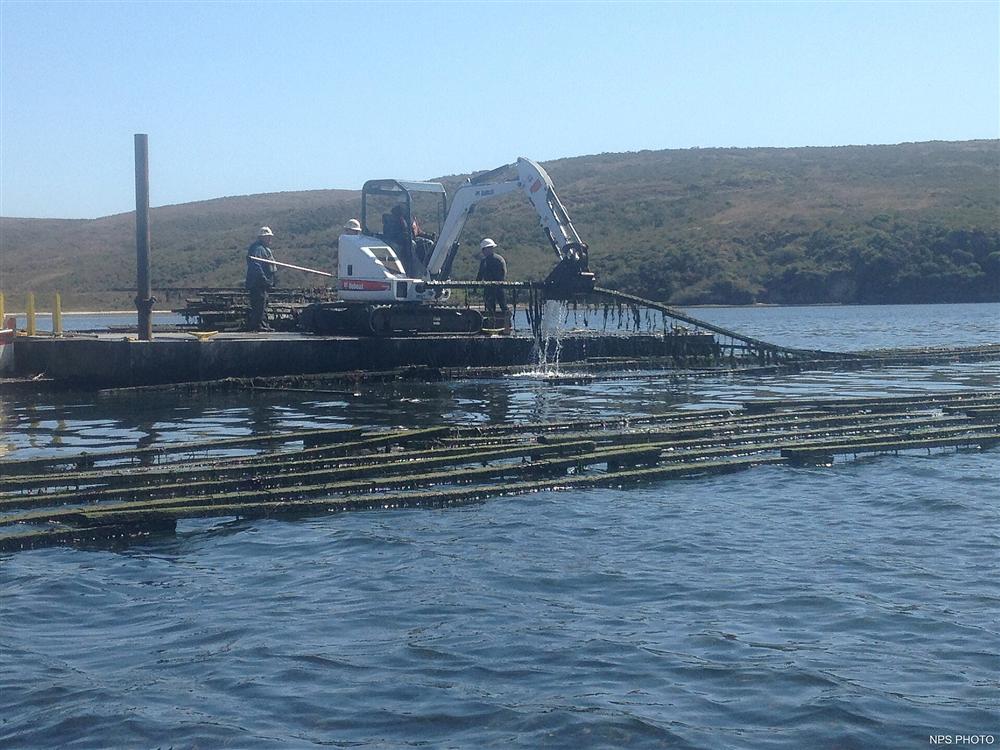
Dredging methods generally fall into a few broad categories: mechanical dredging using excavators, backhoes or clamshell buckets, often operating from shore, a barge or a temporary work platform; hydraulic dredging, which uses a submersible or barge-mounted pump to move a water-sediment slurry through a pipeline to a containment or dewatering area; and dry excavation, used when a pond or basin can be safely drawn down or diverted before work begins.
The right method — and the right equipment for that method — depends on sediment depth and consistency, distance to a suitable discharge or containment area, site access, and any constraints tied to nearby structures, utilities or protected habitat. We walk through these trade-offs with clients so that any recommendation reflects realistic field conditions rather than a generic assumption.
Understanding a Typical Project Sequence
While every site is different, most dredging and sediment management projects move through a similar general sequence of steps.
1. Site Evaluation
A site visit to review access, shoreline condition, existing structures and general water depth, often paired with a review of historical records or aerial imagery.
2. Planning & Permitting
Depth surveys and sediment sampling inform a project scope, which is then checked against any applicable local, state or federal permitting requirements.
3. Mobilization
Equipment, access routes and any temporary containment or dewatering areas are prepared before active sediment removal begins.
4. Sediment Removal
Mechanical or hydraulic removal proceeds according to the agreed method, with ongoing attention to depth targets and site conditions.
5. Dewatering & Material Handling
Removed sediment is dewatered and managed according to site plans and any applicable regulatory requirements for placement or disposal.
6. Site Restoration
Disturbed shorelines, access routes and staging areas are stabilized and, where appropriate, revegetated to support long-term site health.
Have Questions About a Specific Site?
Every project starts with a conversation. Reach out to discuss what you're observing and what an appropriate next step might look like — there's no obligation attached to a first conversation.
Contact Kek Dredging